
Governments Are Finally Playing Catch Up
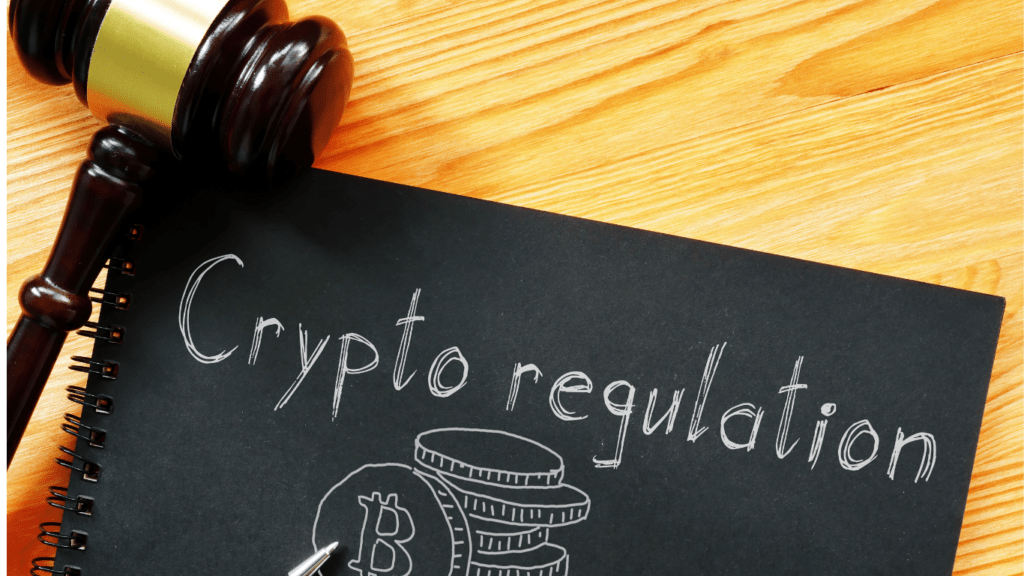
Crypto isn’t a fringe experiment anymore, and global regulators know it. Heading into 2026, there’s a real push finally for unified, forward looking crypto policy. No more patchwork rules. Governments are moving toward standards that can actually guide growth instead of just reacting to crisis headlines.
The big difference this cycle? Coordination. Central banks, financial watchdogs, and even tech players are starting to speak the same language. That means joint frameworks, cross border enforcement agreements, and a shared drive to clean up abuse without shutting down innovation. It’s not about clamping down but making the rules clear enough for the legitimate players to stay in the game and thrive.
A proactive approach is taking shape: regulation as infrastructure, not roadblock. For builders, investors, and users, it’s a welcome shift and long overdue.
U.S. Regulation: Clarity or Chaos?
The 2026 legislative package finally gave the U.S. some long overdue structure around crypto. The SEC and CFTC now have clearly defined turf. The SEC oversees digital asset securities, while the CFTC handles commodities, including a wide swath of tokens that don’t promise returns or function like investment contracts. This dual track approach trims the ambiguity that’s tangled up so many enforcement cases since the last bull cycle.
Stablecoins long in legal limbo are now firmly classified as financial products. That means stablecoin issuers have to register and follow rules more like traditional banks or investment firms. Reserves need independent audits. Issuers must prove 1:1 backing. For traders, it means less guessing on stability, though it also brings tighter oversight on how and where these coins can be used.
The bigger shakeup? Crypto exchanges now face expectations that mirror traditional financial markets. “Know Your Customer” (KYC) isn’t optional anymore, and ongoing reporting standards aren’t just for show. Exchanges have to verify identities, monitor suspicious activity, and submit regular disclosures. In short: the compliance bar just got a lot higher and those unwilling to scale it may not be allowed on the field.
Bottom line: U.S. crypto regulation isn’t full clarity, but it’s progress. That alone is reshaping the way builders, investors, and everyday users navigate what’s next.
EU Digital Assets Framework 2.0
Stricter Oversight Under MiCA 2.0
The European Union’s Markets in Crypto Assets Regulation (MiCA) enters its next phase in 2026, widely referred to as MiCA 2.0. This updated framework introduces tighter regulatory oversight, with a particular focus on DeFi protocols that were previously operating in legal grey zones.
Key updates include:
Licensing requirements for DeFi platforms interacting with EU users
Clearer definitions of custodial vs. non custodial services
Regulatory expectations placed on DAO governance structures
This effort signals the EU’s intent to formalize the DeFi sector, pushing for more transparency while still allowing for innovation within regulated boundaries.
Mandatory ESG Disclosures
In a move aligning financial practices with broader sustainability goals, crypto projects operating within EU member states will now be required to submit Environmental, Social, and Governance (ESG) disclosures. These must address:
Energy consumption associated with blockchain operations
Supply chain transparency for token issuance and project funding
Governance practices that reinforce accountability and reduce risk
Projects that fail to submit credible ESG reports may lose market access or face penalties, emphasizing the EU’s commitment to sustainable innovation.
Challenges for Non EU Projects
For crypto ventures based outside the European Union, MiCA 2.0 presents both a challenge and an opportunity. To access European markets, projects must:
Comply with equivalency standards laid out by EU regulators
Partner with licensed entities within the bloc for operational access
Provide comprehensive disclosures technical, financial, and ESG
Failure to adapt could mean exclusion from one of the most sophisticated crypto markets globally. However, those who align early can tap into a well regulated and trust enhanced investor base.
Bottom Line: MiCA 2.0 makes clear that accountability, transparency, and ESG alignment are not optional for crypto firms operating in or entering the EU. Builders who adapt quickly will have a distinct edge in scaling internationally.
Asia’s Diverging Paths

Asia isn’t following one script when it comes to crypto regulation, and 2026 makes that more obvious than ever.
Singapore is all in on a compliance first approach. The city state continues positioning itself as a global blockchain hub, but it’s not chasing wild growth. Its regulators have made clear: innovation is welcome but only within tightly defined regulatory rails. Clear licensing paths, strict AML protocols, and mandatory consumer safeguards are now table stakes. The upside? Companies know what’s expected, and serious players prefer guardrails over guesswork.
India has split the difference. Tokenization of assets real estate, bonds, gold is gaining steam with government support. But the Reserve Bank of India remains firmly opposed to stablecoins unpegged to the rupee. The logic: maintain monetary sovereignty and reduce dollar dependence. Builders who play along get access to a massive home market, provided they stick inside the lines.
Meanwhile, China is sticking to its playbook: slow, state driven rollout. The digital yuan continues piloting across new provinces and megacities, with tightly controlled infrastructure. There’s no room for permissionless crypto, but blockchain isn’t off the table in fact, it’s thriving under strict government oversight. China wants control, not chaos.
Different choices, different outcomes. But the takeaway is clear: Asia isn’t sitting back. It’s shaping the future of crypto, just on its own terms.
Privacy Coins and DeFi in the Hot Seat
Privacy focused crypto projects have officially drawn the short straw in 2026. Regulators worldwide are tightening the leash on tokens like Monero, Zcash, and other anonymity enhancing assets, citing intensifying concerns over money laundering and illicit finance. The stance is blunt: if your protocol shields transactions from oversight, it’s now on the radar.
Anonymous DeFi tools aren’t getting a pass either. Platforms lacking mediation, identity verification, or audit trails are facing enforcement head on. New legal frameworks don’t just go after users they hit developers too. If your code enables prohibited flows and you knew or should’ve known it might be game over. Some jurisdictions have started mirroring the strict liability models we’ve seen applied in traditional finance security laws.
Developers and traders aren’t blind to the shift. As enforcement heats up, they’re watching whale wallet movements more carefully than ever. These big money maneuvers often signal either incoming heat or quiet exits before announcements drop. The tactical edge now rests in reading what the regulators aren’t saying yet, but what the market’s largest wallets already seem to know.
For a pulse on what whales may be signaling next, check out whale movement signals.
Key Takeaways for Investors and Builders
Compliance First Design: The New Competitive Edge
Regulatory compliance is no longer a burden it’s becoming a differentiator. Investors are turning to projects that prioritize transparency, user safety, and legal alignment from day one. For builders, this means embedding compliance into product design rather than treating it as an afterthought.
Platforms that embrace regulation are more likely to gain institutional trust
Compliance boosts user confidence and reduces the risk of legal roadblocks
Integrated KYC/AML and transparent disclosures set winning projects apart
Regulatory Sandboxes: Breathing Room for Startups
In response to uncertain legal environments, several jurisdictions are expanding sandbox programs. These structured regulatory zones allow startups to innovate under controlled conditions while gathering feedback from regulators.
Startups can test models without full licensing requirements
Sandboxes provide early clarity on legal exposure and future requirements
Ideal for DeFi experiments, payment solutions, and cross border apps
Whale Movement Signals: A Window into Market Sentiment
Institutional investors and seasoned traders are increasingly monitoring large wallet movements often referred to as “whale activity” to gauge shifts in policy related market confidence. These movements can act as early indicators of how upcoming regulatory changes are being interpreted.
Watch for capital entering or exiting projects tied to hot policy topics
Surge in whale activity around privacy coins or stablecoins often correlates with new regulatory scrutiny
Tools tracking whale behavior are now integrated into risk and compliance analytics platforms
Read more on whale movement trends here
What’s at Stake
The wave of regulation coming in 2026 is neither hype nor doom it’s the new ground reality. And what happens next won’t just affect crypto insiders. It’s make or break for whether digital assets become part of the mainstream financial system, or stay boxed into niche circles. On one hand, poorly designed regulation could choke innovation, drive projects offshore, or push users toward less transparent systems. On the other, smart guardrails could give crypto legitimacy at scale finally answering the trust issues that have plagued it for over a decade.
For builders, the decision is simple: get proactive or get steamrolled. The ones treating compliance as a feature not a threat are already ahead. They’re designing products with embedded transparency, legal foresight, and systems that match financial grade expectations. This isn’t about selling out it’s about locking in longevity. Regulation is no longer a hypothetical hurdle. It’s the terrain. The real winners? Those who learn to build on it.
 Market Analyst & Trading Strategist