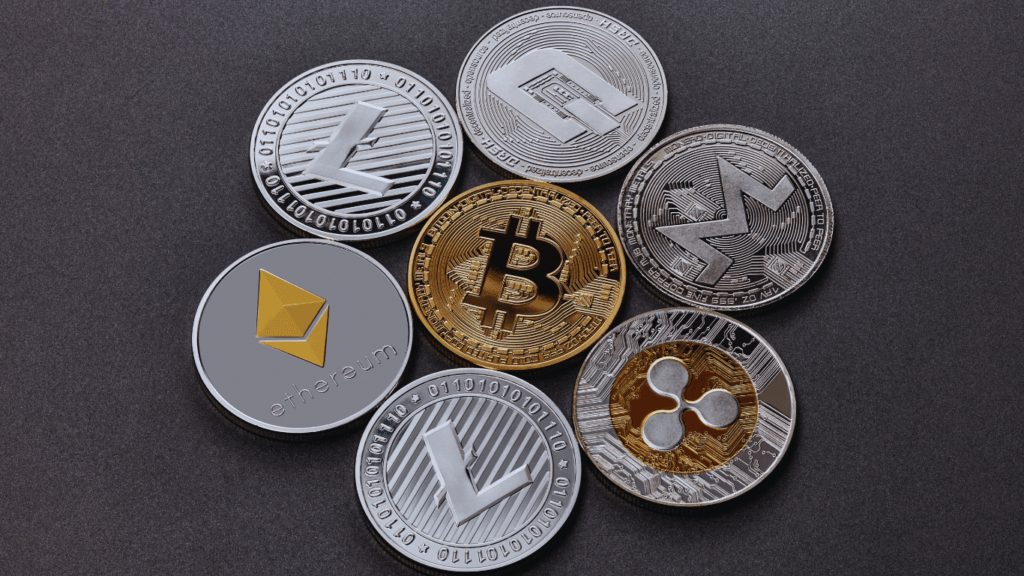

Why Diversification Isn’t Optional Anymore
Crypto doesn’t play by the rules of traditional finance. It moves fast, spikes hard, and crashes without notice. If you’ve been around for a cycle or two, you already know: one bad call can gut your gains and sometimes your entire portfolio.
That’s why diversification isn’t a luxury; it’s a necessity. Putting your faith (and funds) into a single token or project is like betting your house on a single hand of poker. Let’s be clear: no matter how strong a coin looks today, it can bleed out tomorrow on a tweet, hack, or regulation rumor.
Bear markets have exposed the fragile portfolios many investors were holding. In 2022, entire ecosystems collapsed. Portfolios overweight in flashy DeFi coins or the latest NFT drops saw 80 90% drawdowns. But those who spread risk between blue chips like Bitcoin and Ether, stablecoins, and utility tokens weathered the storm.
Bull markets reward the diversified, too. Not every sector pumps at once. Layer 1s might coast while AI related tokens moon. A balanced portfolio gives you room to benefit from multiple trends without overstretching.
If you’re serious about survival in crypto, build your portfolio like you expect the worst to happen because sometimes, it does.
Core Principles of a Diversified Crypto Portfolio
A strong crypto portfolio isn’t just about stacking coins it’s about managing exposure across different types of assets. First, spread risk across key sectors: DeFi projects can offer yield, but carry smart contract risk. Layer 1s like Ethereum and Solana bring infrastructure level value but also face constant competition. NFTs and utility tokens can moon or crash overnight, depending on hype and adoption curve. Don’t overcommit to any one category.
Next, mix it up by market cap. Anchor your portfolio with blue chip tokens that have proven staying power in multiple cycles. Then layer on a few mid cap assets with strong fundamentals and room to grow. Finally, sprinkle in small cap moonshots but only with money you can afford to lose. If one of those takes off, great. If not, it shouldn’t wreck your overall position.
Geographic decentralization also matters more than most realize. Projects based in different regulatory zones or development hubs can offer varying risk profiles and sometimes stronger resilience. A shutdown in one region doesn’t take down your whole portfolio if you’re globally diversified.
Remember, you’re not just diversifying for the sake of having more tokens. You’re doing it to reduce vulnerability and increase upside across shifting market conditions. For more hands on tactics, check out How to Build a Diversified Token Portfolio: A Complete Guide for Crypto Investors.
Token Types That Anchor a Resilient Portfolio

Not all tokens are built the same and that’s a good thing. A strong crypto portfolio leans on four key types of assets, each playing a different role in keeping things balanced when the market gets choppy.
First, there’s your backbone: store of value tokens like Bitcoin (BTC). These aren’t about flashy gains. They’re about anchoring your portfolio with assets that historically hold value and ride out storms. When the rest of the market shakes, these are your stability plays.
Then come utility tokens the ones tied to real world use. Think tokens that power platforms, give user access, or unlock certain features. If the product or platform behind them has legit traction, these tokens can ride that momentum.
Add to that DeFi tokens. These aren’t just digital coins they come with perks: staking, yield farming, lending protocols. Essentially, they can generate passive rewards on top of appreciation. But watch out: risk scales fast in DeFi. Know what you’re holding.
And finally, stablecoins. They don’t moon but that’s the point. They’re your in wallet dry powder ready for the next opportunity, or a buffer when things dip. Great for liquidity, rebalancing, or just avoiding chaos.
Smart portfolios don’t lean too hard in one direction. This mix keeps you flexible, stable, and ready to act when the markets shift.
Common Mistakes to Skip
The crypto world moves fast, but that doesn’t mean you can skip the basics. One of the most common mistakes? Going all in on hype tokens. Just because something’s trending doesn’t mean it’s built to last. If your portfolio is heavy with tokens that pumped overnight thanks to influencer noise or social buzz, you’re playing with fire.
Then there’s the FOMO trap chasing pumps without a clear plan to exit. It’s easy to ride the wave when things are going up, harder to know when to step off before they crash. Without set price targets or stop losses, you’re gambling, not investing.
Another classic misstep: ignoring tokenomics and project fundamentals. If you don’t understand how a token works, who’s backing it, or what supply strategies it relies on, you’re flying blind. A flashy roadmap means nothing without a working product, real users, or transparency.
And finally, neglecting to rebalance. Even solid portfolios drift over time. One asset moons and suddenly it’s half your stack. A disciplined investor trims profits, reinvests with balance, and keeps risk in check. Ignore that, and your portfolio turns lopsided fast.
Avoiding these errors won’t guarantee success but skipping them is almost always a shortcut to pain.
Staying Agile in a Shifting Market
Volatility is a feature of the crypto market, not a bug. You can’t avoid the chaos, but you can adapt to it. The key is knowing when to stay the course and when to shift your strategy.
If a token drops 30% in a day, don’t hit the panic button. Ask if it’s market wide or project specific. Are fundamentals still sound? Did something break? High volatility doesn’t always mean it’s time to bail it might be time to buy, or just hold steady. But if the narrative changes or the token no longer fits your goals, don’t cling. Pivoting isn’t weakness. It’s discipline.
Use tools like Dune Analytics, DeFi Llama, or Token Terminal to track more than just price. Look at user activity, TVL (total value locked), protocol revenue metrics that tell a deeper story than red or green candles. Portfolio tracking apps (Zapper, Zerion, or Debank) also make it easier to see your exposure and rebalance on the fly.
And be honest with yourself: are you a long term holder or an active trader? You don’t need to be both. Holding reduces stress, avoids fees, and leans into conviction. Active trading requires time, tools, and mental bandwidth. One isn’t better than the other it’s about fit.
When in doubt, go back to basics. A smart, diversified setup is your safety net. For a step by step refresher, revisit How to Build a Diversified Token Portfolio.
Final Tips for Long Term Crypto Survivors
Diversification isn’t just spraying capital across twenty coins and calling it a day. Real resilience comes from diversifying with intent. That means knowing why each asset is in your portfolio, what role it plays, and how it interacts with your overall risk exposure. A high performing Layer 1 may look exciting, but does it actually complement your DeFi or stablecoin positions? Think in terms of balance, not just variety.
Set allocation boundaries and respect them. When one position runs hotter than the rest, it’s tempting to double down. Don’t. Stick to your risk limits. Rebalancing isn’t a chore, it’s protection against overconfidence.
Stay plugged in, especially during market swings. News and narratives move fast. But reacting to every bump or headline with a panic trade is the fastest way to sabotage a good strategy. Trust the foundation you’ve set, and adjust only when there’s a clear signal not a spike of fear.
Most importantly: stop thinking token first. Think portfolio first. Each asset should earn its place and serve a purpose. That mindset is what separates short term speculators from long term survivors.
 Founder & Blockchain Visionary